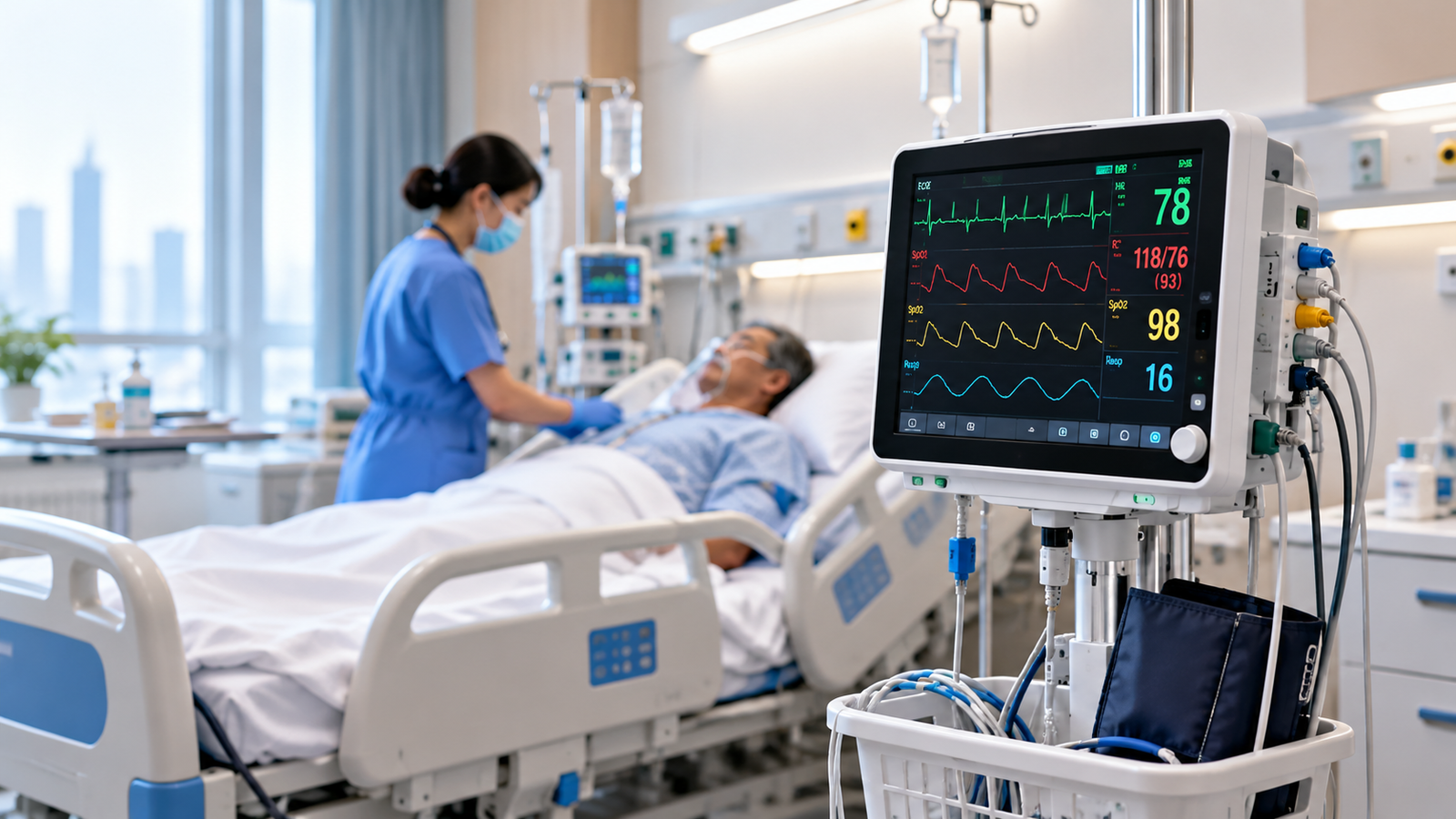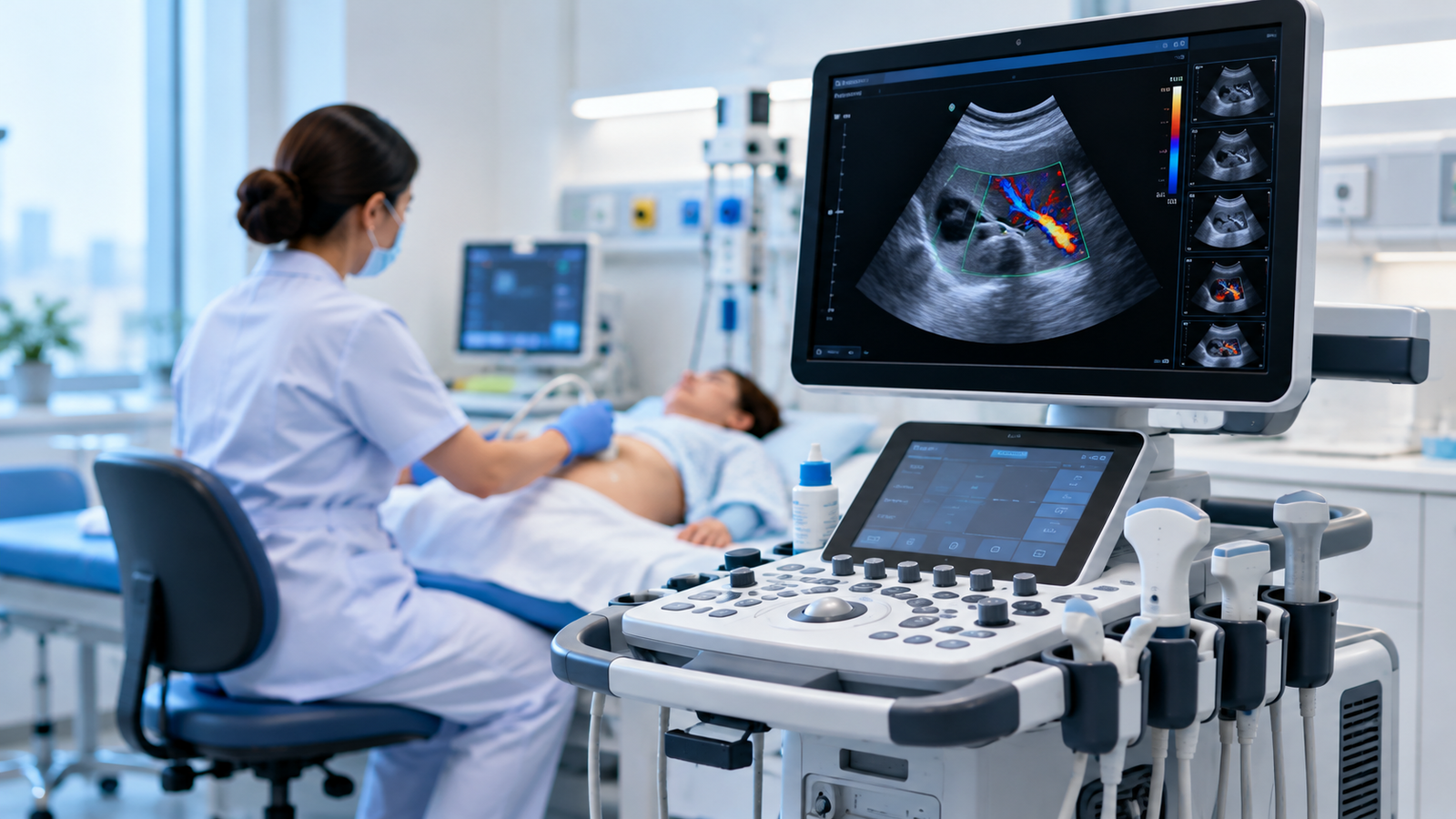

Patient monitoring equipment plays an important role in modern healthcare by helping clinicians observe physiological parameters, identify changes in a patient’s condition and make informed clinical decisions. From bedside monitors in hospital wards to advanced systems in intensive care units, the right monitoring solution depends on the patient population, clinical environment and intended use.
For hospitals, clinics, emergency departments and other healthcare facilities in the UAE, selecting monitoring equipment involves more than comparing prices or screen sizes. Buyers must consider the parameters measured, measurement accuracy, alarm functionality, connectivity, accessories, maintenance requirements and the documentation supplied with each device.
This guide explains the main types of patient monitoring equipment, their clinical applications and the factors procurement teams should evaluate when sourcing solutions for healthcare facilities in Dubai, Abu Dhabi and other markets.
Table of Contents
What Is Patient Monitoring Equipment?
Patient monitoring equipment comprises medical devices designed to measure, display and, where supported, record physiological information about a patient. Depending on the device, this information may include heart rate, electrocardiogram (ECG), blood pressure, oxygen saturation, respiratory rate and temperature.
Monitoring may be intermittent, such as measuring blood pressure during a routine consultation, or continuous, such as observing several parameters in an intensive care unit.
The purpose is to provide healthcare professionals with information that supports patient assessment and clinical management. A monitor does not replace clinical judgement, and readings must be interpreted in the context of the patient’s condition.
How patient monitors work
A monitoring system typically combines sensors or probes, measurement electronics, a display and software that presents readings. Some devices also provide audible and visual alarms when configured thresholds or technical conditions trigger an alert.
The exact configuration varies by device. For example, an ECG cable measures electrical activity associated with the heart, a blood pressure cuff measures blood pressure, and a pulse oximeter estimates peripheral oxygen saturation (SpO₂).
Some systems display several parameters simultaneously. Others specialize in one measurement or collect information over an extended period.
Types of Patient Monitoring Equipment Used in Healthcare
Different clinical environments require different monitoring capabilities. The following categories are useful starting points for equipment planning.
1. Multiparameter patient monitors
Multiparameter monitors combine several physiological measurements in one device. Depending on the model and configuration, these may include:
- ECG and heart rate
- Non-invasive blood pressure (NIBP)
- Oxygen saturation (SpO₂)
- Respiratory rate
- Temperature
- Invasive blood pressure or other advanced parameters on compatible models
These devices are commonly considered for emergency departments, intensive care units, operating rooms and hospital wards, depending on the model’s intended use.
Before purchasing, confirm which parameters are included as standard and which require optional modules, cables, probes or software. A product described as a multiparameter monitor does not necessarily include every measurement listed above.
Healthcare buyers can review the available multiparameter patient monitors and contact the supplier to confirm the intended clinical application, configuration and current availability.
2. Vital signs monitors
Vital signs monitors are designed to measure a selection of basic physiological parameters. Typical measurements include blood pressure, pulse rate, oxygen saturation and temperature, although the available functions differ between models.
They may be suitable for outpatient clinics, general wards, pre-assessment areas and routine patient observations when the selected device meets the facility’s clinical requirements.
When comparing models, consider measurement speed, patient categories, cuff sizes, portability, battery operation, data storage and the ability to transfer readings into existing records.
3. Central patient monitoring systems
A central monitoring system allows staff to view information from compatible bedside monitors at a central workstation. Depending on the system, it may support multiple beds, remote displays, alarm management, trend review and data integration.
These systems can help clinical teams oversee several monitored patients without relying solely on individual bedside screens.
Compatibility is essential. Buyers should verify the supported bedside monitors, network architecture, alarm distribution, software licensing, cybersecurity requirements and consequences of network failure before procurement.
4. ECG monitoring equipment
Electrocardiography equipment records the heart’s electrical activity. Depending on the device, it may be designed for diagnostic ECG recordings, continuous rhythm monitoring or ambulatory recording.
A diagnostic ECG machine and a bedside ECG monitor are not interchangeable in every clinical situation. Their intended purposes, recording formats, lead configurations and software capabilities may differ.
Hospitals and clinics should define whether they need diagnostic ECG acquisition, continuous rhythm surveillance or both before selecting equipment.
5. Pulse oximeters
Pulse oximeters estimate peripheral oxygen saturation and pulse rate using an optical sensor. They are available in configurations intended for spot checks or continuous monitoring.
For clinical use, buyers should assess probe compatibility, patient size, display readability, alarm availability, operating environment and the manufacturer’s stated performance limitations.
The ISO 80601-2-61:2026 standard for pulse oximeter equipment addresses basic safety and essential performance requirements for equipment within its scope. Buyers should verify the applicable standards and conformity documentation for the particular product being purchased.
6. Ambulatory blood pressure monitors
Ambulatory blood pressure monitoring systems measure blood pressure at programmed intervals over a prescribed period during a patient’s usual daily activities. They differ from bedside monitors that typically take readings at a particular point in time or at selected intervals.
For procurement teams, relevant considerations include cuff availability, measurement scheduling, patient comfort, data retrieval, analysis software and compatibility with the facility’s reporting workflow.
7. Fetal and maternal monitoring equipment
Fetal monitors are designed for obstetric applications and may measure fetal heart rate and uterine activity. Some systems also support maternal measurements.
These devices serve a distinct clinical purpose and should be selected according to the intended obstetric application, required monitoring functions and applicable clinical protocols. They should not be treated as interchangeable with general adult bedside monitors.
Key Parameters to Evaluate Before Purchasing
The best configuration depends on what clinicians need to measure and how the readings will be used.
Measurement capability and accuracy
Start with a documented list of required parameters. Confirm the device’s intended use, supported patient categories, measurement ranges, stated accuracy and relevant limitations.
Ask for the applicable technical documentation rather than assuming that similar-looking devices have equivalent performance. Accuracy and performance requirements may vary by parameter, patient population and operating conditions.
Alarm functionality
Alarms can alert staff to configured physiological thresholds or equipment-related conditions. Their effectiveness depends on appropriate settings, audible and visual indicators, staff response procedures and ongoing maintenance.
Assess alarm priority levels, adjustable thresholds, alarm volume, notification routing and the handling of disconnected sensors. Ensure the configuration suits the clinical environment and the facility’s alarm-management policy.
Display, trends and data storage
Readable displays and trend information can help clinicians review changes over time. Depending on the model, data may be stored locally or transmitted to another system.
Confirm the retention period, export formats, user access controls, time synchronisation and any software licences needed for these functions.
Connectivity and interoperability
If patient data must be transferred into a hospital information system or electronic medical record, verify compatibility before ordering. A product description that mentions networking does not automatically establish compatibility with every hospital platform.
Ask the supplier and the facility’s IT team to confirm supported interfaces, integration requirements, network security and any additional hardware or licensing costs.
How to Choose Patient Monitoring Equipment for UAE Healthcare Facilities
Procurement decisions should reflect the facility’s clinical needs, operating environment and long-term service requirements.
Match the monitor to the department
A general consultation room may require a different configuration from an ICU, emergency department or operating theatre.
Prepare a department-specific requirement list covering:
- Intended use and patient population
- Required physiological parameters
- Continuous versus intermittent monitoring
- Bedside, portable or central monitoring requirements
- Number of devices and anticipated future expansion
- Connectivity and reporting requirements
This approach helps procurement teams compare equivalent configurations rather than selecting equipment solely on headline price.
Review documentation and regulatory requirements
For purchases in the UAE, verify the applicable medical-device registration, importation and conformity requirements for the product and supply arrangement. The relevant requirements may depend on the device, manufacturer, responsible local entity and intended use.
The UAE Ministry of Health and Prevention’s medical equipment registration guidance provides an official starting point for understanding registration documentation and conditions.
Depending on the device and procurement route, request relevant declarations of conformity, manufacturer documentation, registration evidence where applicable, instructions for use and traceability information. Do not assume that a general certificate or a supplier’s marketing statement proves that every regulatory requirement has been met.
Check accessories and compatibility
A monitor’s practical usability depends on the accessories supplied with it. Confirm the required ECG cables, blood pressure cuffs, SpO₂ probes, temperature probes, mounting hardware, batteries and compatible replacement parts.
Ask whether accessories are included in the quotation or priced separately. Also confirm whether third-party accessories are supported and whether their use affects performance, warranty or maintenance arrangements.
Plan maintenance and staff training
Before placing an order, establish how the equipment will be inspected, maintained and checked according to the manufacturer’s instructions and the facility’s biomedical engineering procedures.
Discuss warranty coverage, preventive maintenance, repair turnaround, availability of spare parts and technical support. Staff should receive training appropriate to their roles, including device operation, alarm response, cleaning and recognition of measurement errors.
For facilities across Dubai, Abu Dhabi and other regions, clarify where service is provided, how support requests are handled and whether on-site assistance is available under the proposed agreement.
Common Patient Monitoring Procurement Mistakes
Several avoidable issues can affect usability and total ownership cost.
Choosing on price alone: A lower purchase price may not include the accessories, software, training or service coverage needed for routine use.
Overlooking patient categories: Adult, paediatric and neonatal use can require different specifications, accessories and performance capabilities. Verify the intended patient population for each model.
Assuming all parameters are included: Some measurements require optional modules or additional probes. Obtain a complete configuration and bill of materials.
Ignoring interoperability: A monitor may have a data interface but still require integration work or additional licensing to communicate with the facility’s systems.
Neglecting consumables and spare parts: Evaluate the ongoing availability and cost of cuffs, sensors, probes, batteries and other replaceable components.
Failing to plan for alarms and training: Equipment alone does not create a safe monitoring process. Staff procedures, appropriate alarm configuration and maintenance must support its use.
Accepting unverified claims: Request product-specific documentation and verify regulatory status, specifications and service commitments instead of relying on broad marketing descriptions.
How to Evaluate a Patient Monitoring Equipment Supplier
For B2B healthcare buyers, the supplier relationship matters beyond the initial transaction.
Evaluate potential suppliers against the following criteria:
- Product suitability: Can the supplier provide a configuration that matches the department’s requirements?
- Documentation: Are technical specifications, instructions for use and applicable regulatory documents available?
- Quotation transparency: Does the quotation identify included equipment, accessories, optional modules, software and warranty terms?
- Technical support: Are installation, maintenance, troubleshooting and repair arrangements clearly defined?
- Training: Can appropriate operational training be arranged?
- Supply continuity: Can the supplier explain lead times and the sourcing of replacement accessories and spare parts?
- Integration support: Can the relevant technical teams assess connectivity and compatibility before purchase?
ZabMed provides a patient monitoring equipment category featuring different monitoring product types. Healthcare organisations can use the category to identify relevant options and then request product-specific information before making a purchasing decision.
For broader equipment sourcing, the ZabMed product catalogue provides access to other medical equipment categories. Buyers can also contact the team through the ZabMed enquiry page to discuss requirements and request a quotation.
Frequently Asked Questions
What is patient monitoring equipment used for?
Patient monitoring equipment measures or records physiological parameters such as heart rate, blood pressure, oxygen saturation and respiratory rate. Depending on the device, it can support routine observations, continuous monitoring and clinical review.
What is the difference between a vital signs monitor and a multiparameter patient monitor?
A vital signs monitor generally focuses on a selection of routine measurements. A multiparameter monitor can combine several measurements and may offer additional monitoring options depending on its configuration. The exact distinction varies by manufacturer and model.
Which patient monitoring equipment is suitable for an ICU?
The appropriate configuration depends on the ICU’s patient population, clinical protocols and required parameters. Buyers should assess continuous monitoring needs, ECG, blood pressure, oxygen saturation, respiratory measurements, alarm functionality and any additional invasive or specialised monitoring requirements.
What should UAE hospitals check before buying patient monitors?
Hospitals should verify intended use, specifications, applicable registration and conformity documentation, included accessories, warranty terms, maintenance arrangements, staff training and compatibility with existing systems. Regulatory requirements should be confirmed for the specific device and supply arrangement.
Can patient monitors connect to hospital information systems?
Some models support network connectivity and data exchange, but the available interfaces and integration requirements differ. Confirm compatibility with the target hospital system, software versions, cybersecurity requirements and any additional licensing or integration work before purchase.
How often should patient monitoring equipment be serviced?
The appropriate schedule depends on the manufacturer’s instructions, device type, usage, applicable requirements and the healthcare facility’s maintenance policy. Follow documented procedures for inspection, performance checks, preventive maintenance and repair, and keep the relevant records.
Conclusion
Patient monitoring equipment supports clinical observation across hospital wards, emergency departments, critical care units and outpatient settings. Choosing the right solution requires a clear understanding of the required parameters, patient population, alarm functions, connectivity, accessories, maintenance and regulatory documentation.
For healthcare organisations in Dubai, Abu Dhabi and the wider UAE, a structured procurement process helps align equipment selection with clinical requirements and long-term operating needs.
Explore the patient monitoring equipment range at ZabMed.ae to review relevant product categories. For a tailored quotation, contact ZabMed with your intended application, required parameters, quantity and integration or service requirements.